Time is
the mission.
REACT Command 911 is the Next Generation 911 Foundational System of Record for Emergency Communications across PSAP, GSOC, and Federal Response. REACT Command 911 is a complete Emergency Communications 911 ecosystem — AI-native, cloud-native emergency communications and operations platform that consolidates 8 to 15 fragmented, legacy systems — from CAD and radio to video and sensor feeds — into a single operational interface to help agencies respond faster and more accurately.
How REACT works.
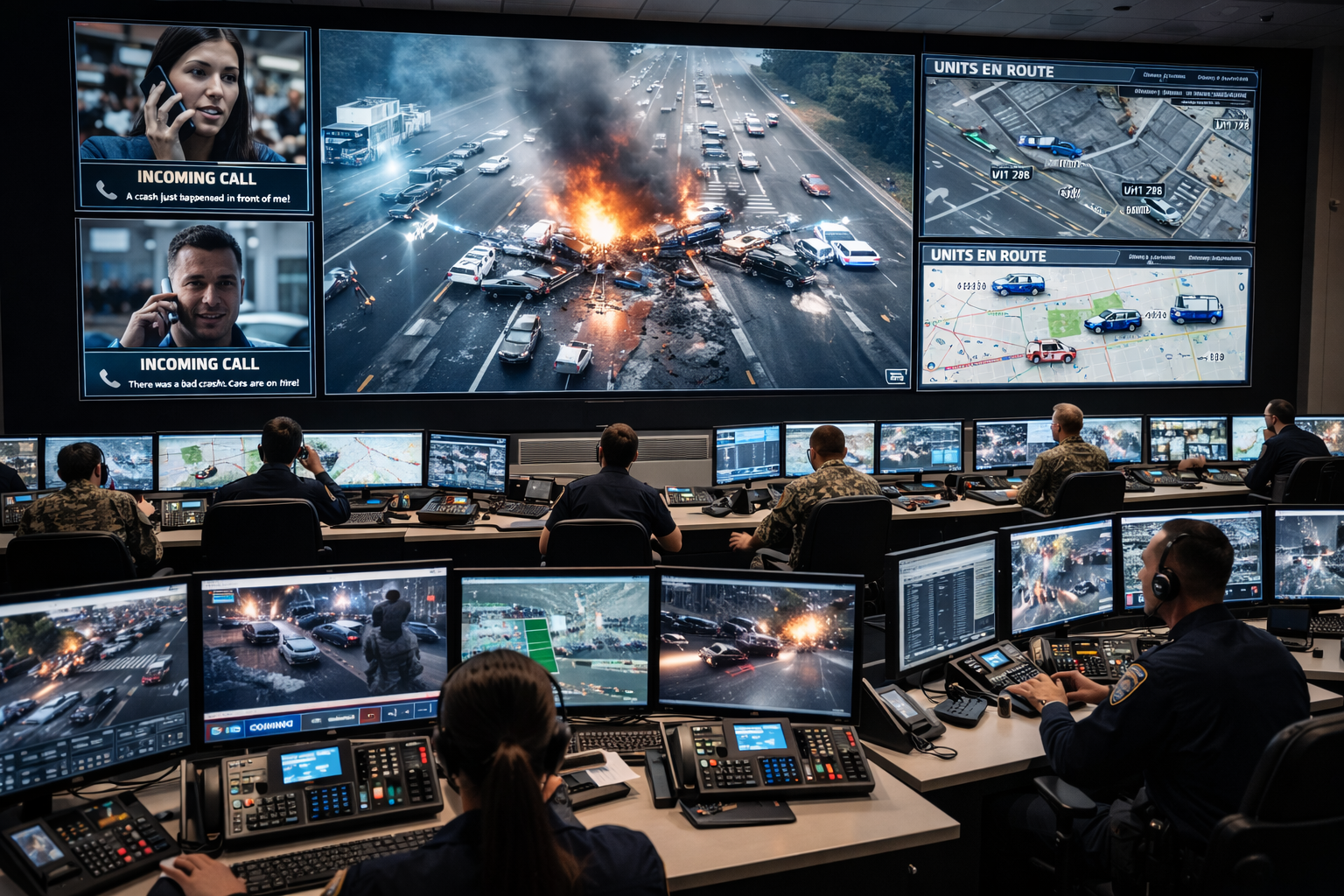
Life-or-death response:
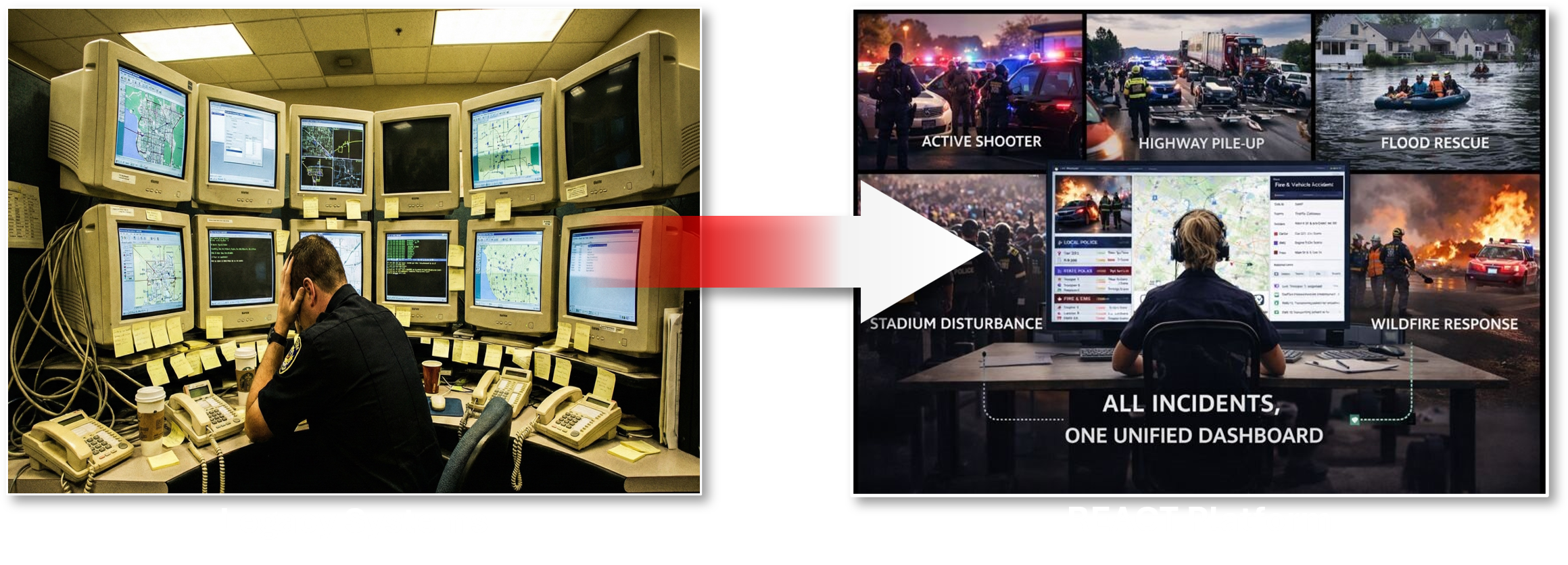
Coordinated across systems that were never built to talk to each other.
All incidents. One unified dashboard.
When seconds count.
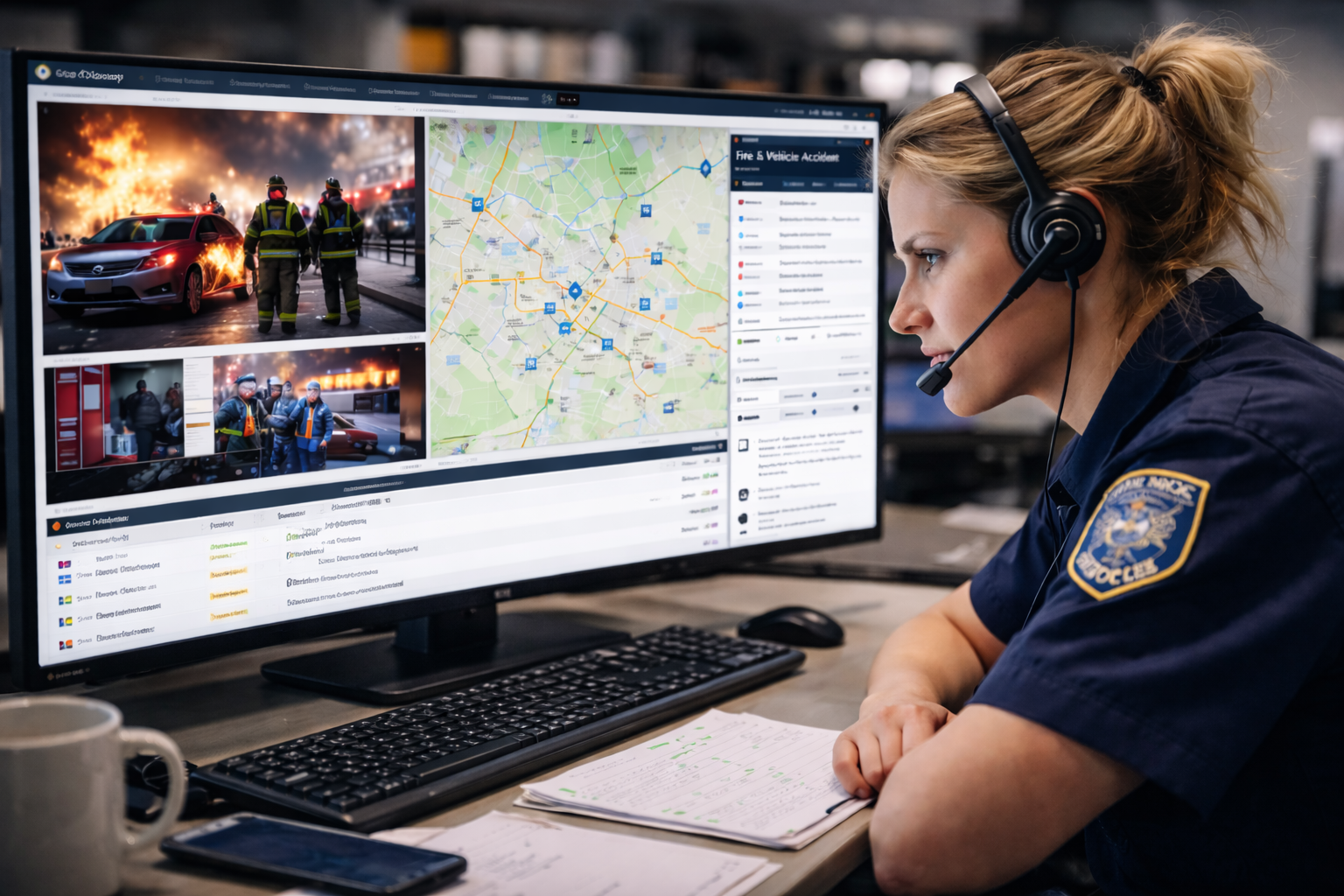
The same operational picture serves the dispatcher, the patrol officer, the fire crew, and the federal watch floor.
911 Dispatch
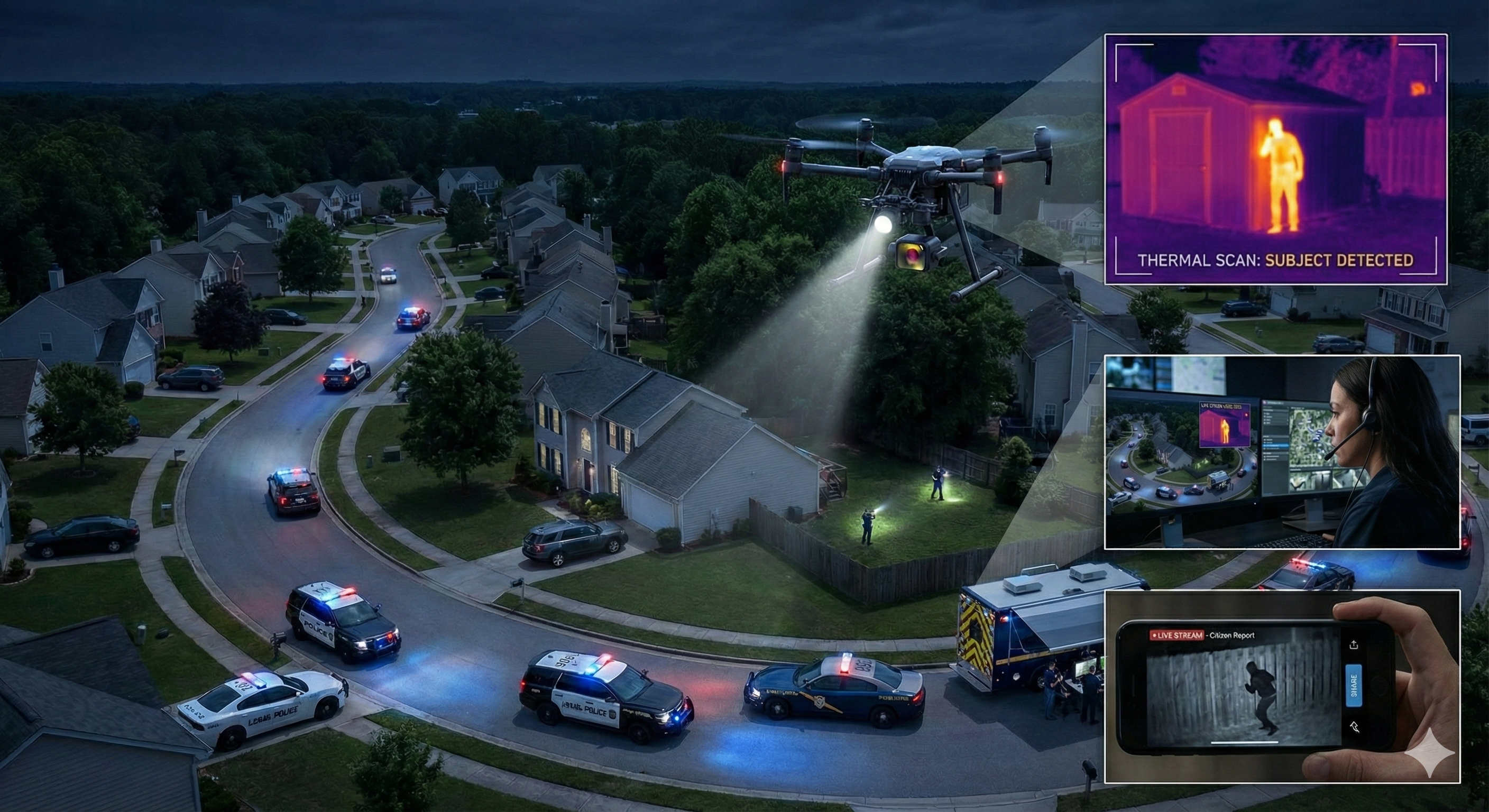
Law enforcement
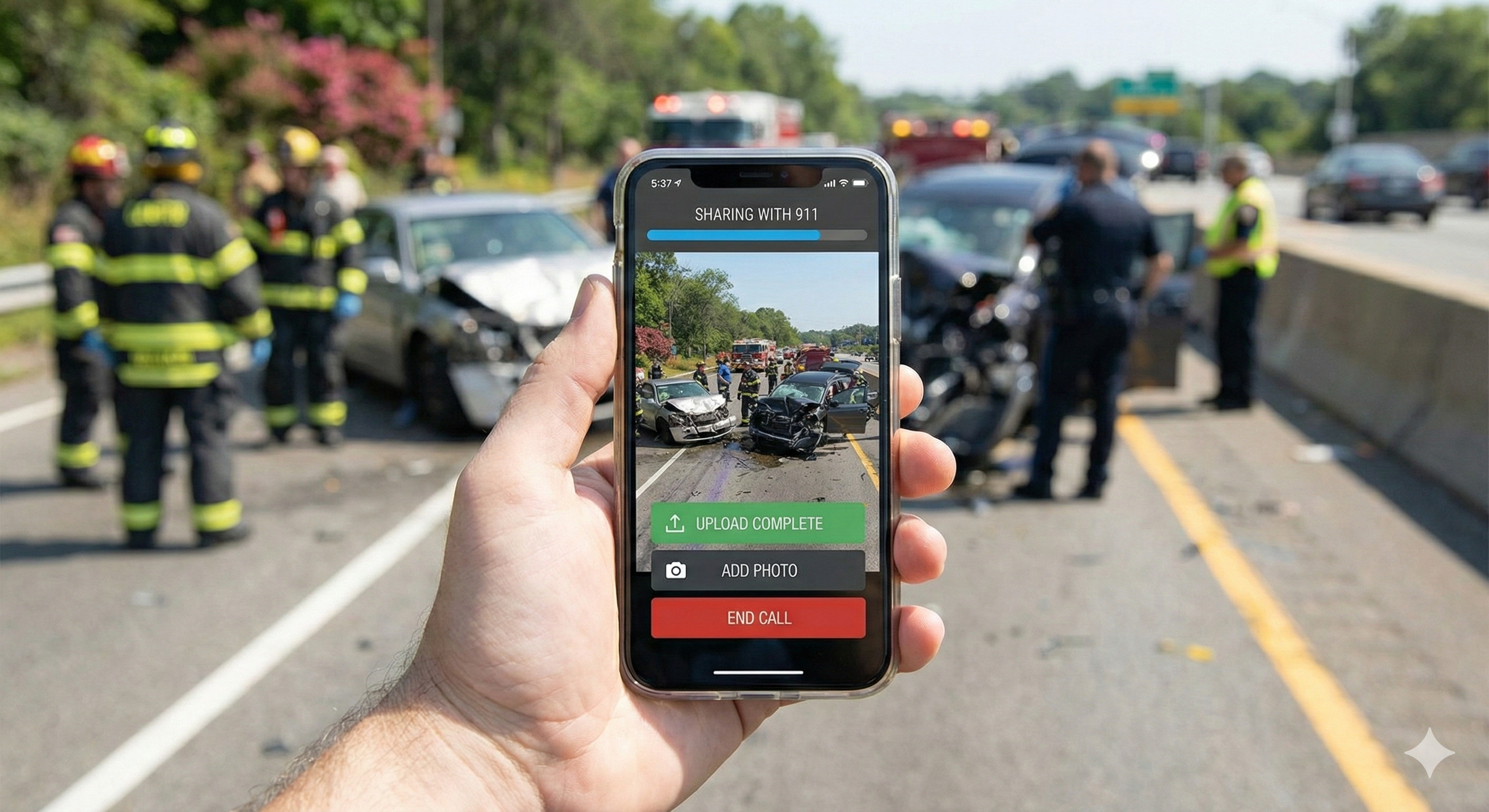
Fire & rescue
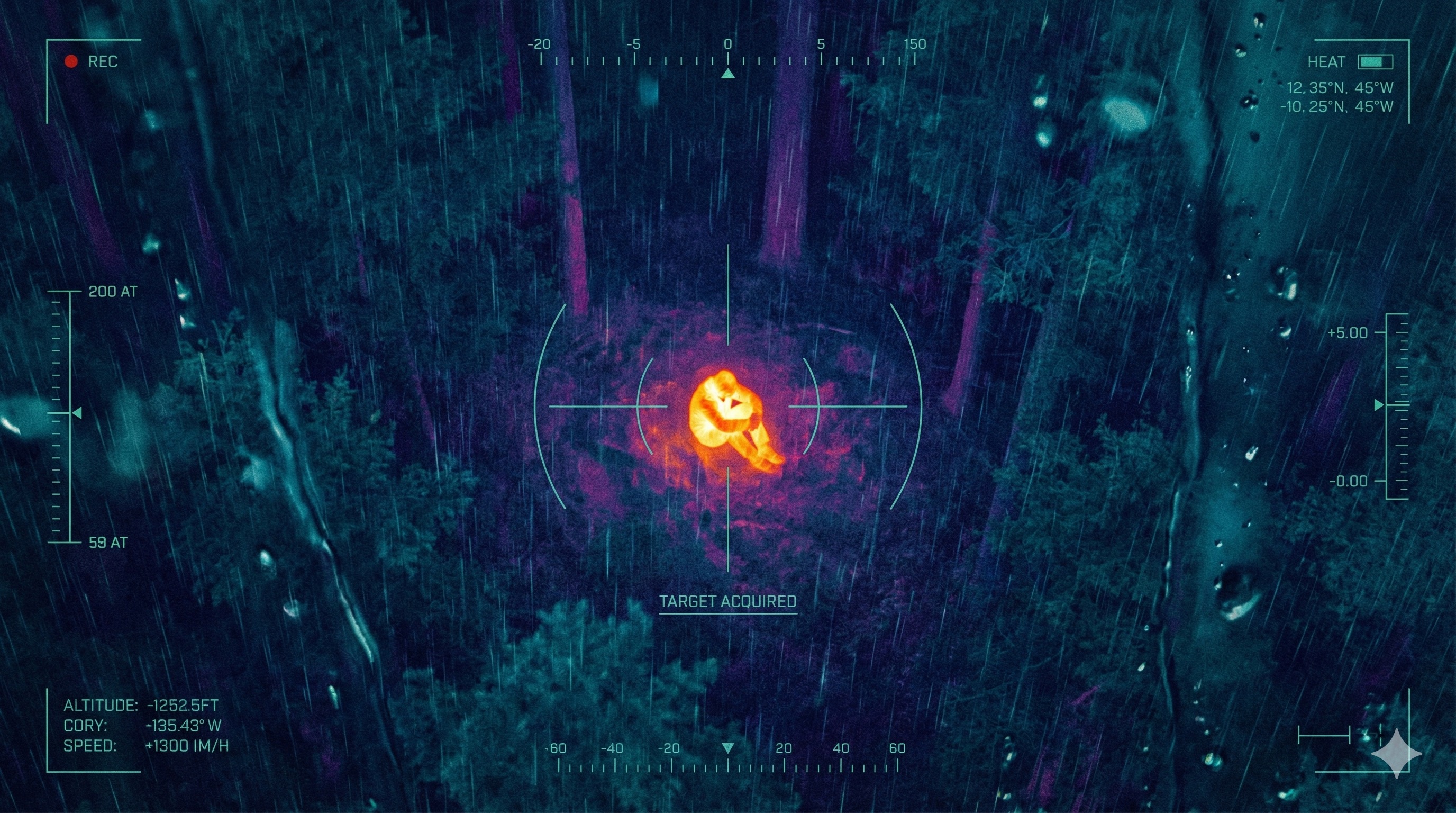
Federal & maritime
One operational system of record.
Not a dashboard bolted onto legacy software. REACT replaces the fragmented stack with a single platform that fuses the data, supports the decision, and runs the workflow.
Real-time data fusion
Dispatch, video, radio, sensors and field devices resolve into one shared operational view — automatically, with a full audit trail.
AI-assisted operations
Live incident summaries, recommended actions, and real-time translation, delivered inside the operator’s workflow to cut cognitive load when it matters most.
Multi-domain by design
The same platform serves 911 dispatch, security operations centers, and federal missions. Not three products — one system of record.
From the call to coordination.
Multimodal intake
Calls, video, radio, and sensor feeds arrive together — fused into one incident the moment it opens.
AI analysis
REACT summarizes the incident, translates across 44 languages, and surfaces what matters in real time.
Coordinated dispatch
Recommended units and routing in-workflow — every responder working from the same live picture.
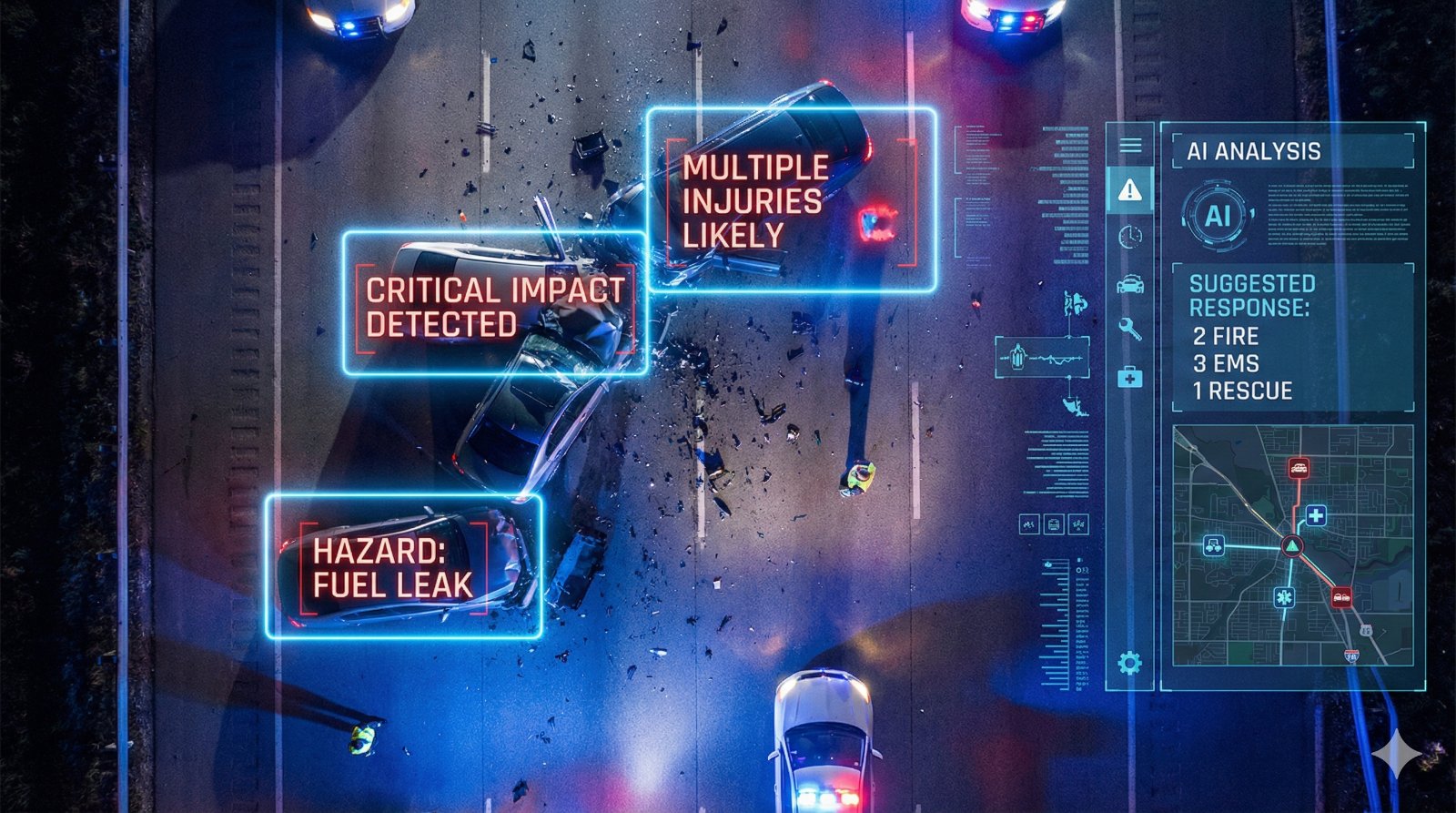
What the architecture delivers.
One platform.
Three critical missions.
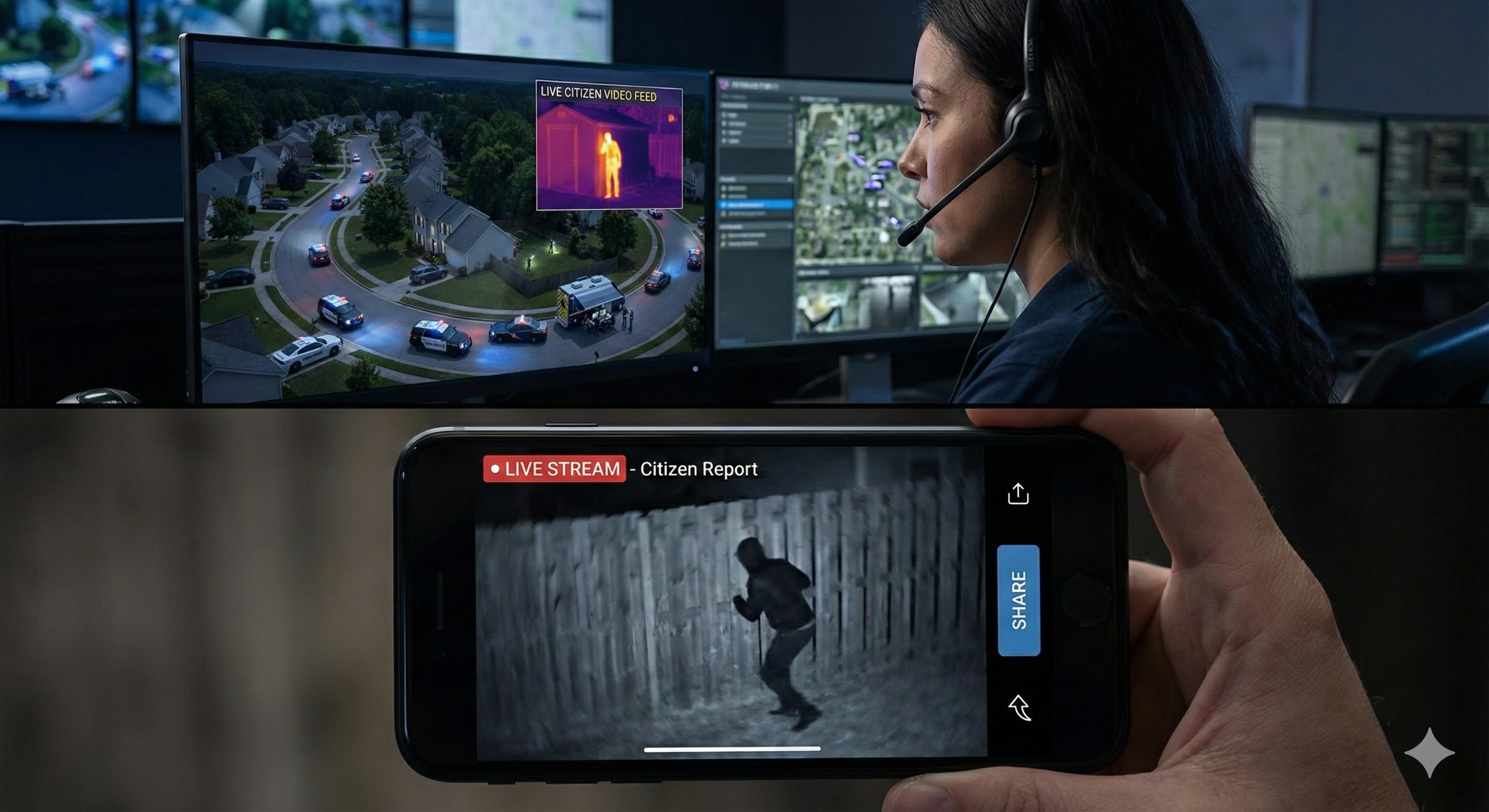
Public Safety
Faster, calmer, better-coordinated emergency response — and dispatchers protected from the worst of what they see.
Explore →
Security Ops
Unify cameras, sensors and teams into one operational picture above the point tools — for campuses and critical infrastructure.
Explore →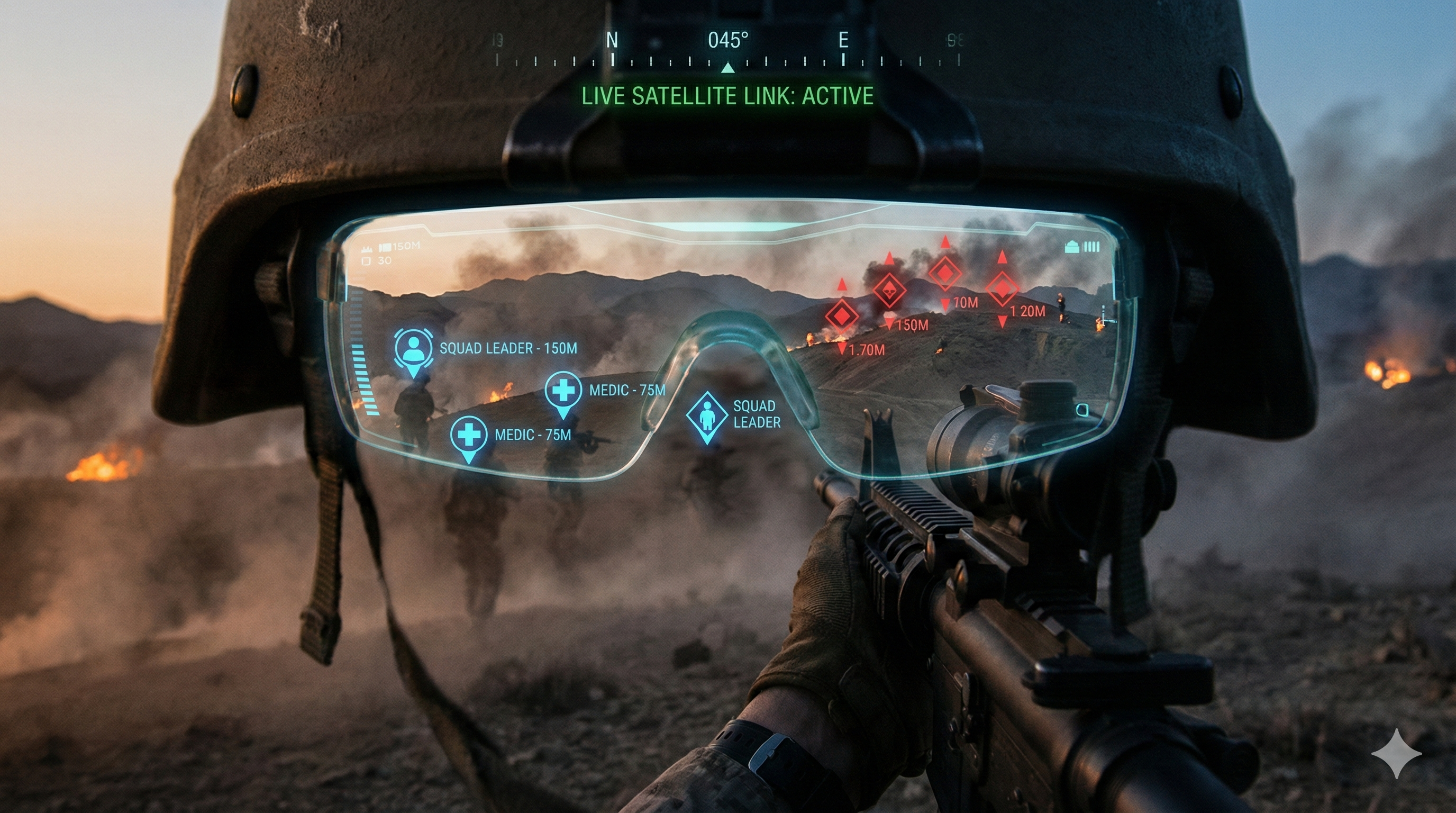
Federal & Defense
Mission-grade operational intelligence on a FedRAMP / IL4 pathway, built by a team the government already trusts.
Explore →Four forces. One market.
Converging into the Perfect Storm of Opportunity.
Federal modernization
Proposed NG911 modernization funding moving through the federal pipeline.
Staffing shortage
A national 911 staffing gap making automation the only viable path, not a nice-to-have.
Forced end-of-life
CAD and RMS systems built decades ago are hitting forced replacement. It is no longer optional.
Production-ready AI
Real-time, multimodal AI has only just become dependable enough for mission-critical use.
The credibility the market demands.
U.S. Coast Guard
A Letter of Recommendation from a federal maritime command — an early proof point that bridges public safety into the federal mission.
Rep. Nancy Mace (SC-01)
An endorsement from a sitting member of Congress — access and credibility for federal and South Carolina engagement.
A working platform, today
REACT already processes live calls, ingests multimedia, runs AI analysis and manages dispatch — with a complete audit trail.
Veteran-led
A founding team with 20+ years of DoD and federal contracting and active engagement across defense-innovation channels.
1 issued · 2 pending
Issued and pending USPTO patents protecting the platform’s core methods.
In the field now
Live pilots across county 911, municipal law enforcement, and federal maritime operations — the references every later deployment is built on.
Frequently asked.
What is REACT?
REACT Command 911 is the Next Generation 911 Foundational System of Record for emergency communications across PSAP, GSOC, and Federal Response. It is a complete Emergency Communications 911 ecosystem — an AI-native, cloud-native emergency communications and operations platform that consolidates 8–15 fragmented, legacy systems — from CAD and radio to video and sensor feeds — into a single operational interface, helping agencies respond faster and more accurately.
Rather than a dashboard bolted onto legacy software, REACT fuses the data, supports the decision, runs the workflow, and records every action in a complete audit trail.
What does REACT Command do for emergency communications?
For 911 and emergency communications, REACT Command replaces the wall of disconnected screens an operator juggles during a call. It brings the caller, location, live transcription, citizen and CCTV video, drone feeds and units into one incident view.
It generates live AI incident summaries and recommended dispatch inside the operator’s workflow, translates across 44+ languages in real time, and filters graphic content before it reaches a dispatcher. The target is full coordination in about 2 minutes, versus roughly 5 minutes today.
Does REACT replace legacy 911 systems, or sit on top like other market solutions?
REACT replaces the fragmented stack rather than layering on top of it. Most current market solutions are another application layer over aging CAD/RMS systems; REACT is the operational system of record itself — it fuses the data, supports the decision, and runs the workflow.
It does ingest and fuse data from existing CAD/RMS (data is fused, not re-keyed), so agencies aren’t forced into a day-one rip-and-replace — but the destination is a single system of record, not another tab. REACT is standards-aligned to the NG911 i3 framework and typically deploys in 3–6 months, versus 18–36 for a legacy CAD swap.
What makes REACT different?
Three things. First, it’s architecture, not a feature: REACT is built around a proprietary Two-Track Workflow that separates how information is processed from how an incident is commanded — “AI commands information, humans command actions” — creating a 24–36 month replication barrier for legacy competitors.
Second, one platform serves three missions — public safety, enterprise security operations, and federal & defense — instead of three separate products. Third, it’s real today: a working platform processing live calls with AI analysis and a full audit trail, backed by a U.S. Coast Guard Letter of Recommendation, a congressional endorsement, issued and pending USPTO patents, and a veteran founding team.
Who uses REACT?
911 centers and PSAPs, search-and-rescue, law enforcement and fire/EMS; enterprise global security operations centers (GSOCs) for campuses, real-estate portfolios and critical infrastructure; and federal, DoD and homeland missions, including installation emergency services and maritime operations.
Is REACT secure and compliant enough for government use?
Yes. REACT is engineered for AWS GovCloud (US) from day one, on a FedRAMP Moderate and DoD IL4 authorization pathway, CJIS-aligned for criminal-justice data, and edge-capable and air-gap ready. It targets 99.99% uptime on a cloud-native, microservices architecture.
How long does REACT take to deploy?
Typically 3–6 months, versus 18–36 months for a legacy CAD replacement.
See REACT run a live incident.
Request a briefing for your agency, security operation, or fund. We’ll show the working platform — not a slide.